
Skip to content

The Takeaway

Better media decisions start with balance

Quick insights to drive your business forward

Marketers have never known more about how audiences engage with media.

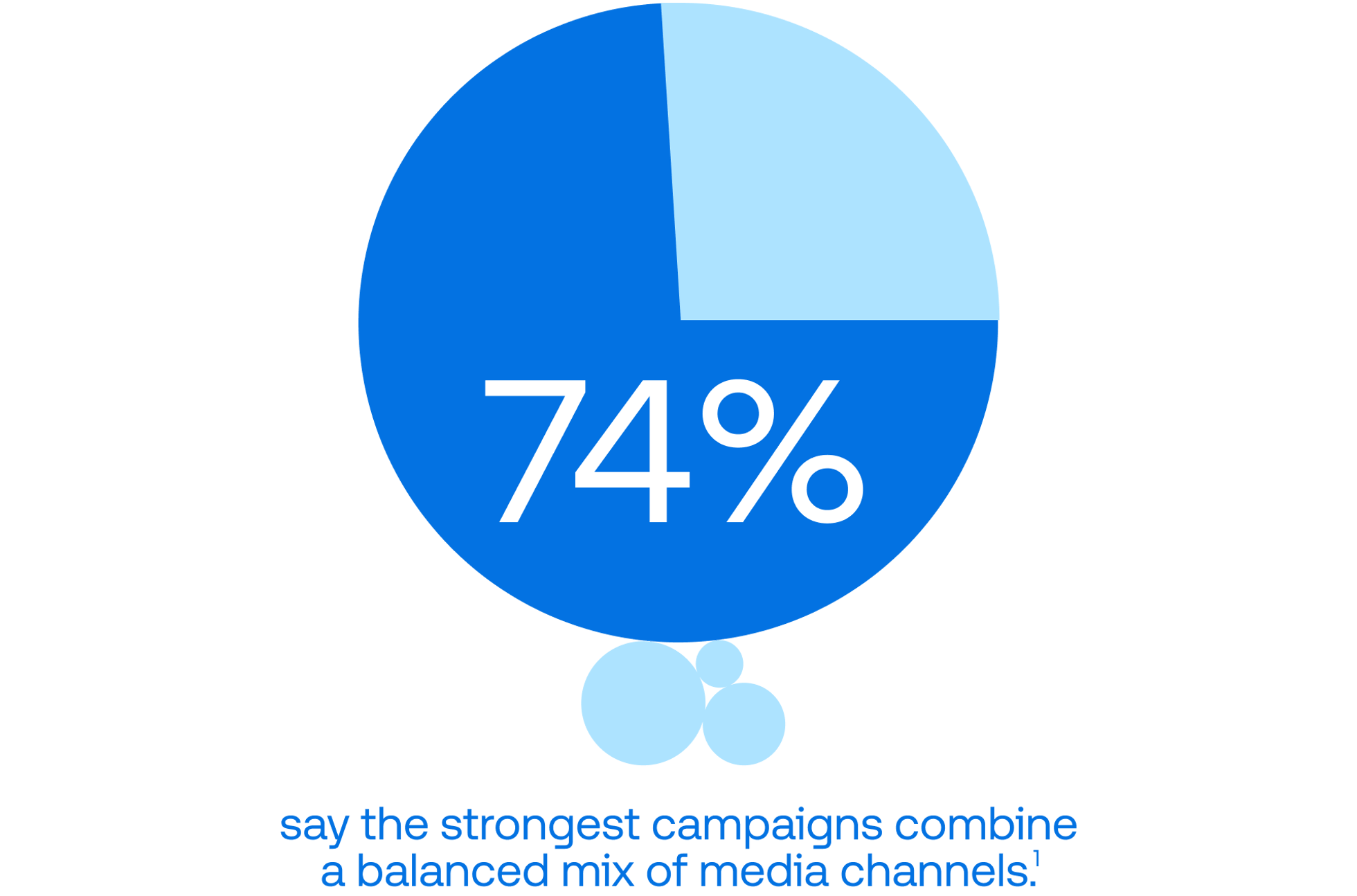
Most advertisers also know what works:

Infographic showing 74% say the strongest campaigns use a balanced mix of media channels.

Yet their media budgets, weighted toward social, tell a different story.

To understand why, The Trade Desk Intelligence and PA Consulting conducted research across the U.S. and the U.K. to learn what’s behind the gap between belief and budget, and what closing it could unlock.

Illustration of connected devices including a monitor, laptop, tablet, smartphone, keyboard, and headphones

According to our study, no single channel does it alone.

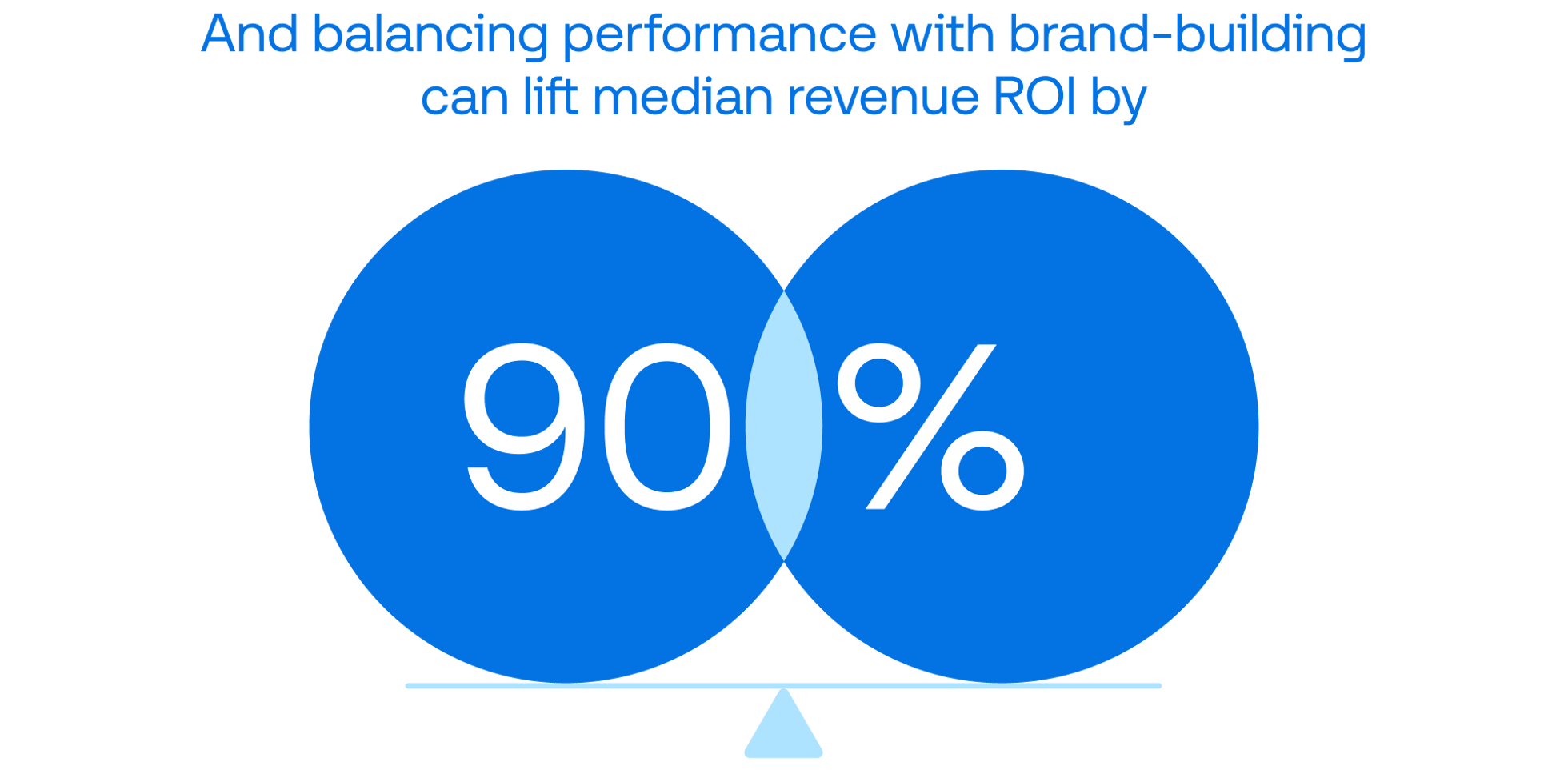
Media plans that balance channels earn more attention, build deeper brand connections, and create stronger memory.

Infographic showing a 90% increase in median revenue ROI from balancing performance and brand-building
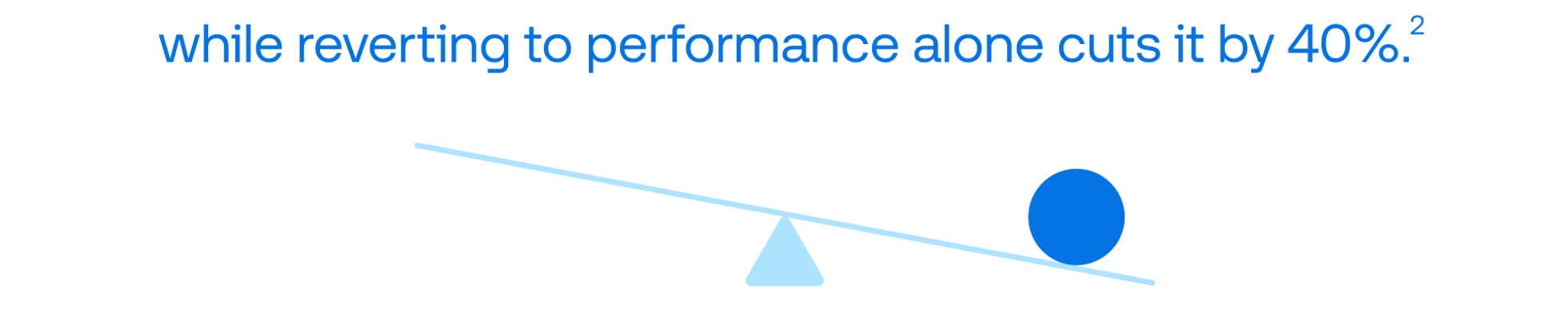
Infographic stating that relying on performance marketing alone can reduce ROI by 40%

Four realities shaping media plans

1. Default outweighs evidence.

71% of marketers surveyed call social a “must-have” channel that doesn’t need to prove its value each time a plan is built, with 1 in 4 saying they over-invest in paid social. When every channel has to earn its place, the whole plan gets stronger.

2. Budgets are stuck in the feed.

Consumers are not. 83% of consumers’ digital time is spent outside social media, yet nearly 40% of global digital ad spend goes to social.3

3. Immediacy tips the scale.

70% say some channels are underfunded because their value builds over time rather than delivering immediate results. The appetite for change is already there.

4. Being seen isn’t the same as being remembered.

85% of social and digital ads never earn the 2.5 seconds of active attention needed to build memory, making channel choice and combination critical.4

Illustration of mobile social media content, featuring smartphones with comment and engagement icons.

Strategies combining social with other connected channels help win results

Our research backs this up: A second social exposure lifts attention by just 1%, while adding a connected channel lifts attention by 109%.

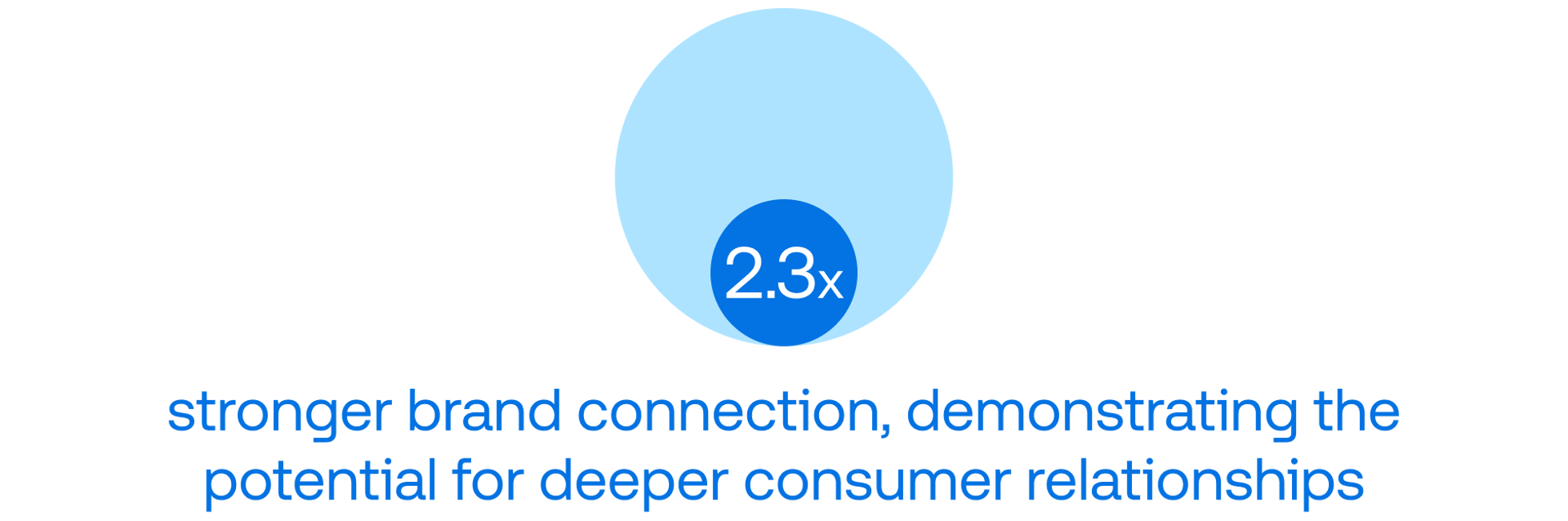
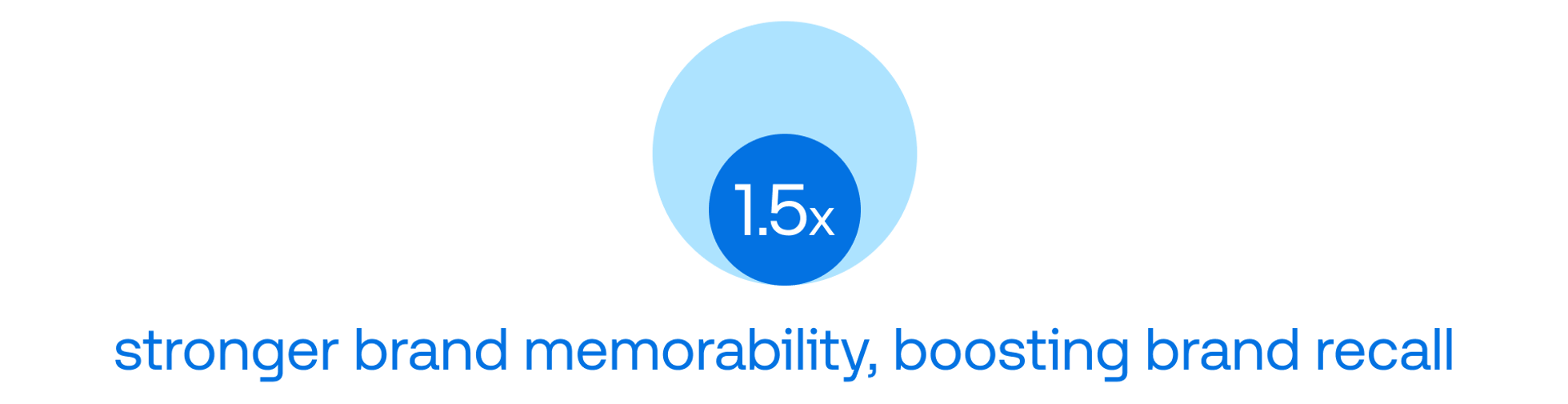
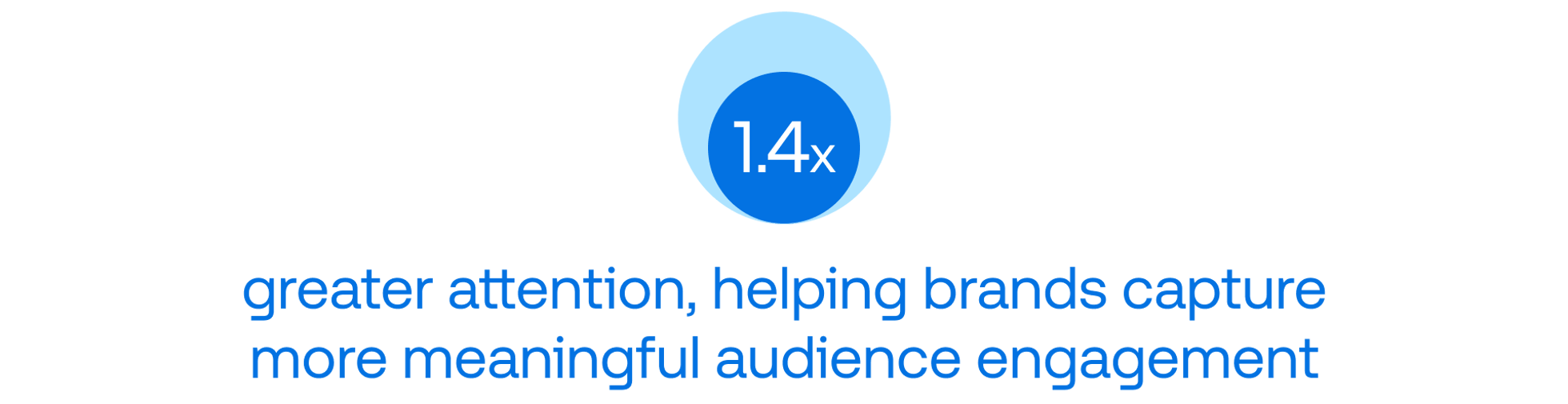
In fact, balanced media plans deliver:

Circular infographic with a highlighted center circle and minimalist blue design elements.
Circular infographic with nested blue circles representing layered audience engagement concepts.
Circular infographic with overlapping blue circles illustrating brand awareness and audience engagement.

What this means for you

Challenge your defaults.

Question which channels get an automatic place on your media plan, and whether the evidence justifies it. Make every channel, social included, earn its role each time a media plan is built.

Build a mix that creates demand and captures it.

Look beyond repeated exposure within a single channel. Combine social with connected channels to earn more attention, strengthen brand connections, and build memory.

Experiment and learn.

Test different channel combinations to understand what drives greater attention, stronger brand connections, and better business results. Use those findings to guide future investment.

Measure the full contribution.

Look beyond the last click so channels that build demand get credit alongside those that capture it. Fund brand-building and assess its contribution over time, beyond the campaign window.

Bridging the growth gap means following consumers beyond the feed, experimenting with channel combinations that earn attention and build memory, and measuring the value of creating demand alongside capturing it.

Most of all, it means challenging our defaults, so familiar choices don’t limit future growth. 

DOWNLOAD


Sources: 
1 The Trade Desk Intelligence, PA Consulting, and Brainsights, Challenging the Social Default study, U.K. and U.S., August 2026. 
2 WARC, The Multiplier Effect, 2025. 
3 WARC, Media, Sightlines “Fragmented attention, concentrated value,” 2026. 
4 Amplified Intelligence, The Eye-Watering Cost of Dull Media, 2025. 

Explore more strategy-shaping insights